📖 3 min read
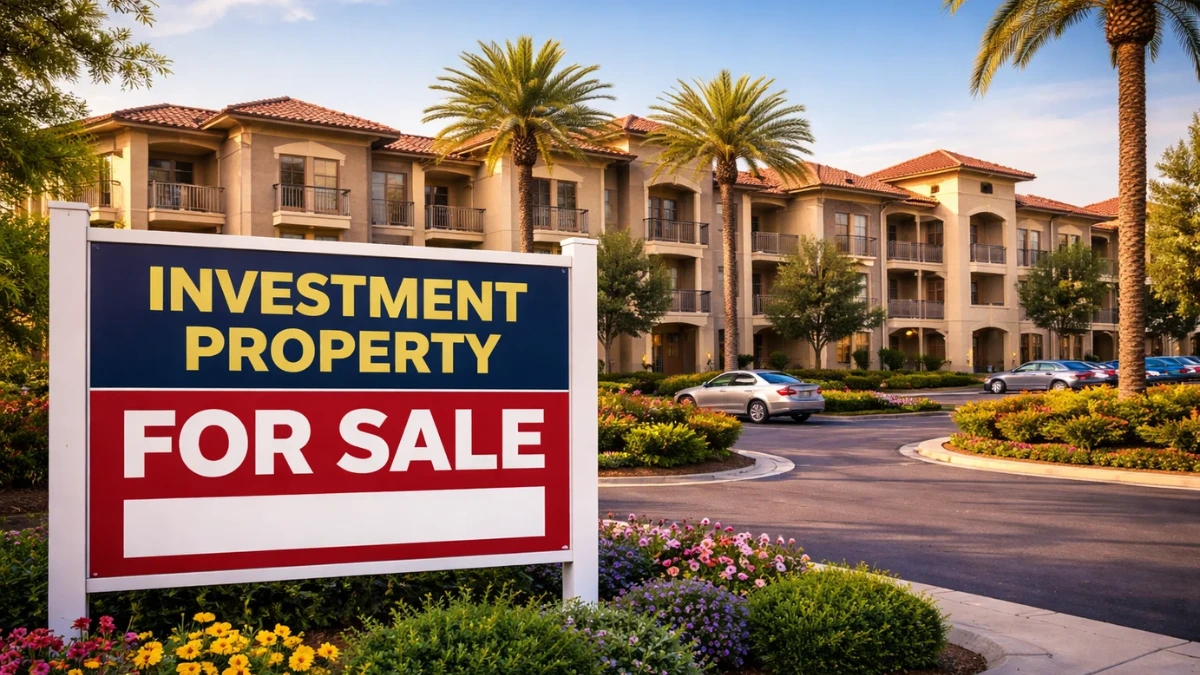
Real estate has long been considered one of the safest and most rewarding investment options. If you are exploring an investment property for sale, you are taking a step toward building long-term wealth and financial stability. Unlike short-term market fluctuations in stocks or other assets, property investments often provide steady returns, rental income, and capital appreciation.
Whether you are a first-time investor or expanding your portfolio, understanding smart real estate opportunities can help you maximize profits while minimizing risks.
What Is an Investment Property?
An investment property is real estate purchased primarily to generate income rather than to live in. These properties can produce returns through:
- Monthly rental income
- Property value appreciation
- Resale profits
- Commercial leasing revenue
The goal is to create a consistent cash flow and long-term asset growth.
Types of Investment Properties
Residential Properties
Apartments, flats, and independent houses rented to families or professionals.
Commercial Properties
Office spaces, retail shops, and business premises leased to companies.
Rental Apartments
Multi-unit buildings designed specifically for rental income.
Vacation Rentals
Short-term rental properties in tourist destinations.
Each type offers different levels of risk and return potential.
Why Invest in Real Estate?
Steady Rental Income
Owning rental property can provide a reliable monthly income stream.
Capital Appreciation
Property values tend to increase over time, especially in growing areas.
Tangible Asset
Real estate is a physical asset that offers security and stability.
Tax Benefits
Investors often receive tax deductions on home loan interest and depreciation.
Portfolio Diversification
Property investment reduces dependence on stock market volatility.
How to Choose the Right Investment Property
Location Matters
Select areas with strong infrastructure, connectivity, schools, business hubs, and development plans. Prime locations attract tenants and buyers.
Analyze Rental Demand
Research vacancy rates and average rental prices in the area.
Evaluate ROI
Calculate expected rental yield and appreciation potential before buying.
Check Legal Clearances
Ensure proper documentation, approvals, and ownership verification.
Budget Planning
Include purchase cost, maintenance, taxes, and loan interest in your calculations.
Residential vs Commercial Investment
Residential properties are generally easier to manage and have steady demand. Commercial properties may offer higher rental yields but involve greater risk and longer vacancy periods.
Choose according to your risk appetite and investment goals.
Risks to Consider
While real estate is stable, investors should be aware of:
- Market fluctuations
- Maintenance costs
- Tenant management challenges
- Liquidity issues
Careful research and planning reduce these risks significantly.
Long-Term Wealth Creation
Investment properties are powerful tools for long-term wealth building. Over time, rental income combined with property appreciation can generate substantial financial growth. Many successful investors use real estate to create passive income and financial independence.
Conclusion
An investment property for sale represents more than just a purchase — it is a strategic financial decision. With proper research, location analysis, and financial planning, real estate can provide stable income and strong long-term returns.
If you are looking for smart real estate opportunities, investing in property can be a reliable and rewarding choice.
FAQs
1. What is the best type of investment property?
Residential properties are often best for beginners due to steady demand and easier management.
2. How much rental yield is considered good?
A rental yield between 2% to 5% annually is common for residential properties, though it varies by location.
3. Is real estate a safe investment?
Real estate is generally considered stable, especially when purchased in growing locations with strong demand.
4. Can I buy investment property with a home loan?
Yes, banks offer loans for investment properties, subject to eligibility and documentation.
5. What factors increase property value?
Location, infrastructure development, demand, property condition, and market trends significantly impact value.