
📖 6 min read
Creating a home is one of the most personal and meaningful acts in a human life. It may not always feel dramatic or important while it’s happening, yet over time, the choices we make—what we keep, what we display, how we arrange our space—quietly shape our sense of identity, comfort, and belonging.
A home is not simply a roof or a set of walls. It is a space where our inner world becomes visible. It reflects who we are, where we have been, and what matters to us. This is why, no matter how beautiful a hotel or public space may be, it rarely replaces the feeling of returning home.
Home Is Where We Remember Who We Are
When we travel for long periods or live out of suitcases, something subtle begins to happen. We may be physically comfortable, but emotionally we feel slightly displaced. This discomfort is not about luxury or convenience—it is about identity.
Our homes quietly remind us who we are. The books on our shelves, the photographs on the wall, the familiar chair we sit in every evening—all of these objects act as anchors. They hold memories, values, and personal meaning that cannot be replicated elsewhere.
A home gathers fragments of our life into one place. Without it, we risk feeling scattered.
Creating a Home Is a Creative Act
We often think of creativity as something that belongs in galleries, studios, or museums. But the creation of a home may be one of the most sincere creative acts we ever perform.
Choosing colors, textures, furniture, and objects is not a shallow or decorative exercise. It is an emotional and psychological process. We ask ourselves questions, often unconsciously:
- What makes me feel calm?
- What gives me energy?
- What memories do I want to keep close?
- What do I want my life to feel like?
In answering these questions, we are shaping an environment that supports our emotional needs.
Why Beauty at Home Matters
A home does not need to be expensive or perfectly designed. But it does need to feel right.
Beauty at home is not about impressing others—it is about emotional nourishment. A well-chosen lamp, a picture that resonates, or a comfortable sofa can quietly improve our mood and mental health. These elements remind us that we deserve care and attention, even when no one else is watching.
When we neglect our living space, we often neglect ourselves.
Home as Emotional Safety
One of the deepest reasons we need a home is safety—not just physical safety, but emotional safety.
At home, we can:
- Rest without explanation
- Be imperfect without judgment
- Think freely and feel deeply
- Recover from disappointment or stress
A true home allows us to lower our defenses. It is a place where we do not need to perform or pretend.
This emotional safety is essential for long-term well-being.
Objects as Emotional Storytellers
The objects in our homes are rarely random. Even when we believe they are, they often carry emotional significance.
A worn table may represent years of shared meals. A cracked mug might be connected to comfort during a difficult time. A book may symbolize a version of ourselves we still value.
These items form a quiet narrative of our lives. Together, they tell a story only we fully understand.
Why Home Is Not About Perfection
Many people delay creating a home because they are waiting for the “right” space, the “right” furniture, or the “right” stage of life. But a home is not something that appears fully formed.
It grows slowly. It evolves with us.
Trying to make a home perfect often removes what makes it meaningful. A real home carries signs of living—change, compromise, and history.
Home and Mental Well-Being
Research and experience both suggest that our surroundings deeply affect our mental state. A chaotic or impersonal environment can increase stress and anxiety, while a thoughtful, familiar space can offer calm and clarity.
When we create a home that reflects our needs, we support:
- Better rest
- Emotional regulation
- Creativity
- A sense of continuity
In uncertain times, home becomes even more important.
Why We Always Long to Return
After enough time away, most people feel a strong pull toward home. This longing is rarely about comfort alone. It is about re-centering ourselves.
Home brings us back to our emotional baseline. It reminds us of our routines, our values, and our sense of self. It allows us to feel whole again.
Creating a Home Is an Act of Self-Respect
Taking care of our living space is a form of self-respect. It says: my inner life matters enough to be supported by my outer environment.
A home does not need to follow trends. It only needs to feel honest.
When we invest in our homes, we are investing in our emotional future.
Frequently Asked Questions (FAQs)
What does it really mean to create a home?
Creating a home means shaping a space that reflects your identity, values, and emotional needs—not just decorating or furnishing a place.
Why do we feel emotionally attached to our homes?
Homes hold memories, routines, and symbols of who we are. This emotional layering creates a deep sense of attachment and belonging.
Is a home the same as a house?
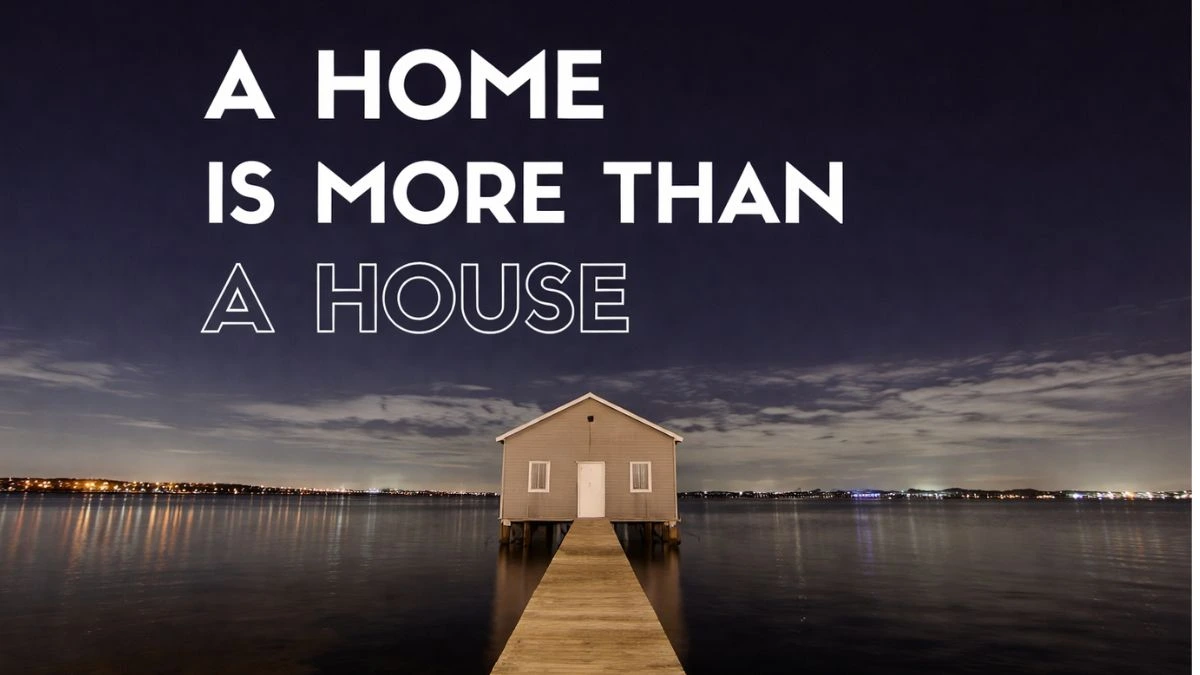
No. A house is a structure. A home is a lived-in, emotionally meaningful space shaped by personal experience.
Can a rented space still feel like home?
Absolutely. Ownership does not define a home. Personal touches, routines, and emotional connection are what matter most.
Why do hotels never feel like home?
Hotels are designed for efficiency and comfort, not personal identity. They lack the emotional history and symbolism that homes carry.
How does a home affect mental health?
A supportive home environment can reduce stress, improve emotional stability, and provide a sense of safety and continuity.
Do minimalist homes still count as homes?
Yes. A home can be minimal or full—what matters is whether it reflects the person living in it and supports their well-being.
When should someone start creating a home?
There is no perfect time. Creating a home can begin at any stage of life, even with limited space or resources.
Why do personal objects matter so much?
Objects carry emotional associations and memories. They act as reminders of experiences, relationships, and values.
Can a home change over time?
Yes. A healthy home evolves as we grow, change, and move through different stages of life.