📖 4 min read
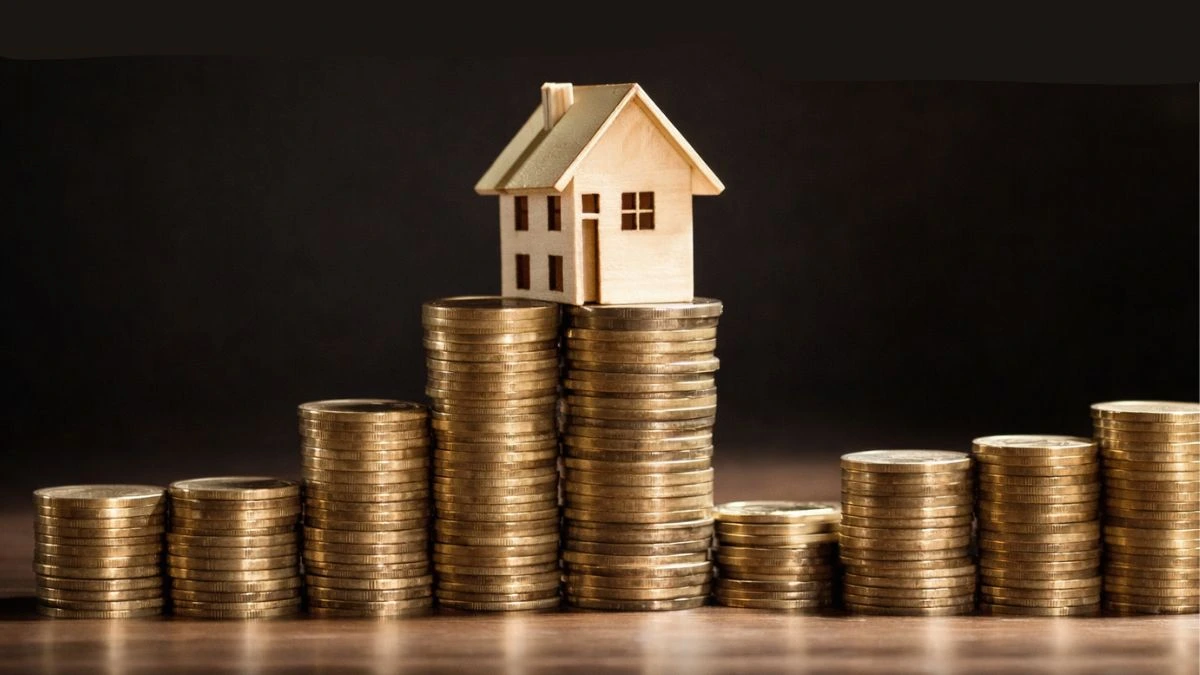
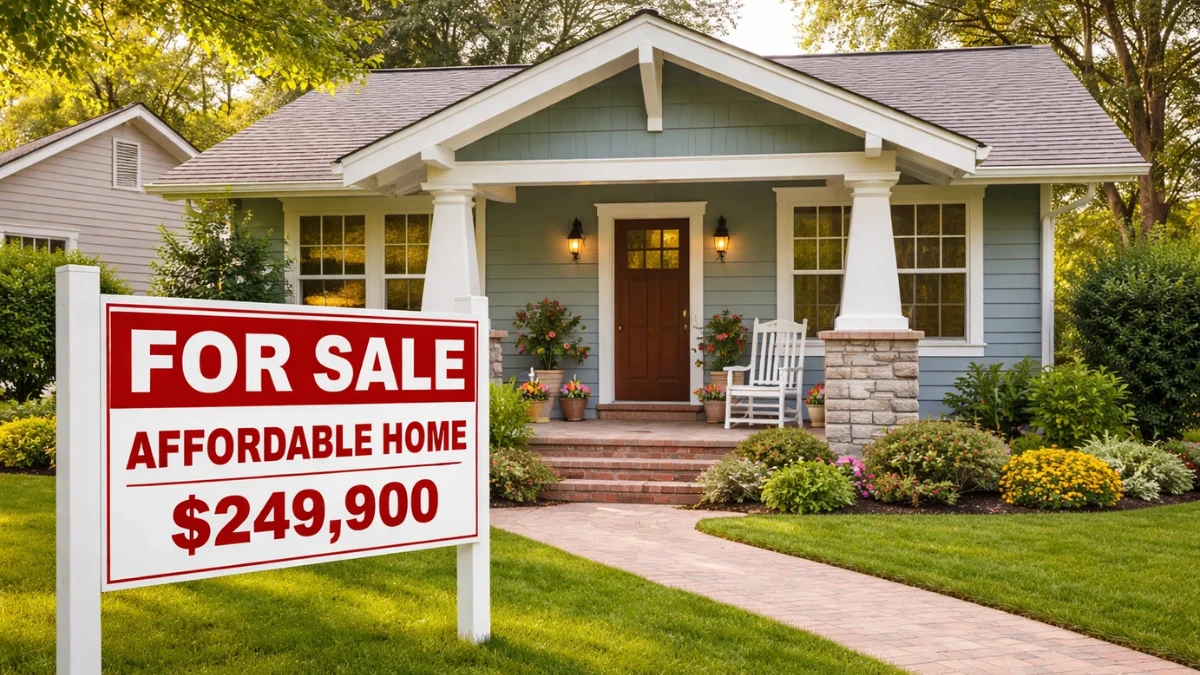
Buying a home is one of the biggest milestones in life. But for many people, rising property prices make it feel out of reach. The good news? Affordable homes for sale are still available — if you know where and how to look.
Whether you’re a first-time buyer, a small family, or someone looking for a smart investment, this guide will help you find your dream house within your budget without compromising on quality.
Why Affordable Homes Are a Smart Choice
Affordable homes are not just about low prices — they’re about value for money.
1. Lower Financial Stress
Buying within your budget means smaller EMIs, manageable down payments, and less financial pressure.
2. Ideal for First-Time Buyers
Affordable properties help new buyers enter the real estate market without huge financial risk.
3. Better Investment Potential
Budget homes in developing areas often see strong appreciation over time.
4. Easier Loan Approval
Banks and financial institutions are more comfortable approving loans for lower-value properties.
What Defines an Affordable Home?
An affordable home doesn’t necessarily mean a small or low-quality property. It usually refers to:
- Properties priced within middle-income buyer range
- Compact yet functional layouts (1 BHK / 2 BHK)
- Located in emerging or suburban areas
- Basic amenities with scope for customization
The key is balance between price, location, and long-term value.
Types of Affordable Homes Available
🏠 1. Apartments / Flats
- Usually more affordable than independent houses
- Maintenance managed by society
- Security and shared amenities included
🏡 2. 1 BHK and 2 BHK Homes
Perfect for small families or working professionals.
🏘 3. Independent Small Houses
Available in developing areas at competitive prices.
🏢 4. Government Housing Schemes
Various state and central government initiatives provide subsidized housing for eligible buyers.
How to Find Affordable Homes for Sale
Finding a budget-friendly home requires planning and research.
1. Set a Clear Budget
Include:
- Down payment
- Registration and legal fees
- Interior costs
- Moving expenses
2. Choose the Right Location
Properties slightly away from city centers are more affordable. Look for areas with:
- Upcoming infrastructure projects
- Good connectivity
- Schools and hospitals nearby
3. Compare Multiple Listings
Don’t settle for the first property you see. Compare prices, amenities, and builder reputation.
4. Negotiate Smartly
Most sellers are open to negotiation, especially in competitive markets.
5. Check Legal Documents
Always verify:
- Clear title
- Approved building plans
- Completion certificates
Tips to Stay Within Budget
✔ Avoid Over-Borrowing
Just because you qualify for a higher loan doesn’t mean you should take it.
✔ Opt for Functional Space
Choose smart layouts over bigger but unused spaces.
✔ Consider Resale Properties
Resale homes often come at lower prices and may include furnishings.
✔ Look for Festive Offers
Builders often provide discounts, free registration, or EMI schemes during festive seasons.
Common Mistakes to Avoid
- Ignoring hidden costs
- Choosing property only based on low price
- Not checking neighborhood safety
- Skipping home inspection
- Delaying loan pre-approval
Smart planning prevents costly mistakes.
Affordable Homes as an Investment
Affordable homes are not just for living — they can also generate rental income.
Benefits:
- Higher rental demand
- Easier resale
- Lower risk compared to luxury properties
Budget housing often attracts working professionals and small families, ensuring steady demand.
Who Should Consider Affordable Homes?
- First-time buyers
- Young couples
- Retired individuals
- Middle-income families
- Real estate investors
Affordable housing is practical, sustainable, and financially safe.
Future Trends in Affordable Housing
- Smart compact homes
- Eco-friendly construction
- Co-living spaces
- Integrated townships
- Digital home-buying platforms
As urbanization increases, demand for budget housing will continue to grow.
Conclusion
Finding affordable homes for sale is absolutely possible with the right strategy. The key lies in budgeting smartly, researching thoroughly, and making informed decisions.
Your dream house doesn’t need to be expensive — it needs to be practical, comfortable, and financially secure. With proper planning, you can own a home that fits both your lifestyle and your budget.
Remember: The best home is not the biggest one — it’s the one you can comfortably afford.
FAQs
1. What is considered an affordable home?
An affordable home is typically priced within the financial reach of middle-income buyers without causing financial strain.
2. Is buying an affordable home a good investment?
Yes, especially in developing areas where property value may increase over time.
3. How much down payment is required?
Usually 10%–20% of the property value, depending on the loan terms.
4. Are government schemes available for affordable housing?
Yes, many central and state government schemes offer subsidies and tax benefits.
5. Should I buy under-construction or ready-to-move property?
Ready-to-move homes avoid rental overlap and delays, but under-construction homes may be cheaper.